Archaeological Sites Near Matala
Southern Crete is a living open-air museum, a landscape where the past is never far away.
Just a short drive from Matala, visitors can explore ancient palaces, sacred sanctuaries, and forgotten ports that tell the story of thousands of years of Cretan history. Below you’ll find the most fascinating archaeological sites close to Matala, all easily reachable from our hotel.
🏛️ Phaistos - The Queen of the Messara Plain
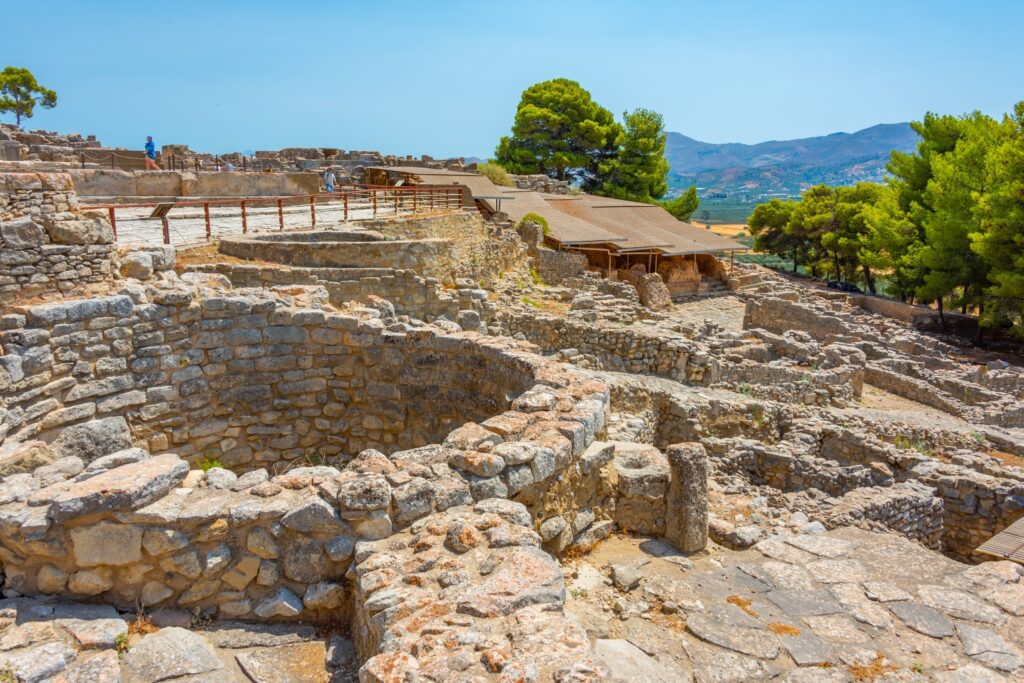
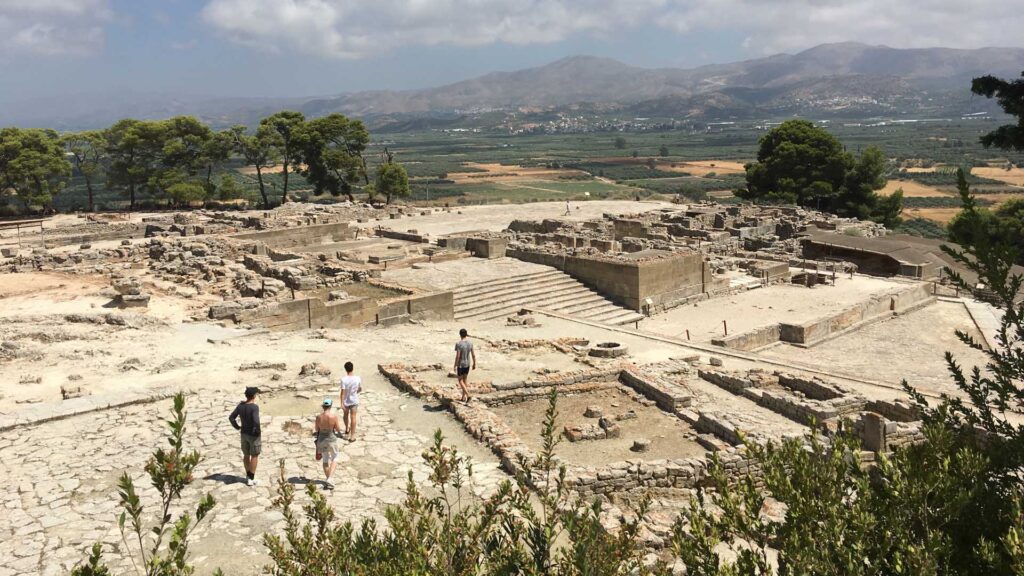
Perched on a low hill overlooking the fertile Messara plain, Phaistos was one of the most important centers of the Minoan civilization and the second-largest palace of ancient Crete, after Knossos. Built around 1900 BC and later rebuilt after an earthquake, the palace of Phaistos was the administrative and religious heart of southern Crete.
Excavations revealed a stunning complex of courtyards, storerooms, staircases, and ceremonial rooms, all designed with the sophisticated architecture characteristic of the Minoans. The site is also where the world-famous Phaistos Disc was discovered in 1908, a mysterious clay tablet inscribed with undeciphered symbols that continues to fascinate archaeologists to this day.
Standing at the palace’s central courtyard, visitors can enjoy panoramic views of the Messara plain, the Asterousia Mountains, and the distant peaks of Psiloritis. Unlike Knossos, Phaistos retains a quiet, authentic atmosphere, offering a deeper sense of connection to Crete’s ancient spirit.
🕊️ Agia Triada - The “Sanctuary of Silence”
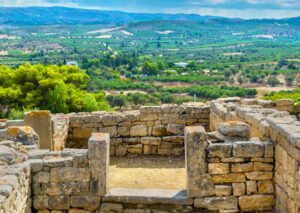
Just a few kilometers from Phaistos lies Agia Triada, one of the most elegant and best-preserved Minoan villas in Crete. Built around 1600 BC, it is believed to have been either the summer residence of Phaistos’ rulers or an independent royal estate that controlled the nearby agricultural lands.
The site stands out for its beautiful layout, fine carvings, and rich finds, including the celebrated Agia Triada Sarcophagus, now displayed at the Heraklion Archaeological Museum. The villa’s terraces overlook the Messara plain and the Libyan Sea, creating a peaceful atmosphere surrounded by olive trees and wild herbs, a perfect blend of history and nature.
During the Mycenaean and later periods, Agia Triada continued to be used, showing how the region remained an important economic and spiritual center for centuries. Visitors today can walk among storerooms, sanctuaries, and courtyards where ancient life once flourished in harmony with the landscape.
⚓ Kommos – The Ancient Port of Phaistos
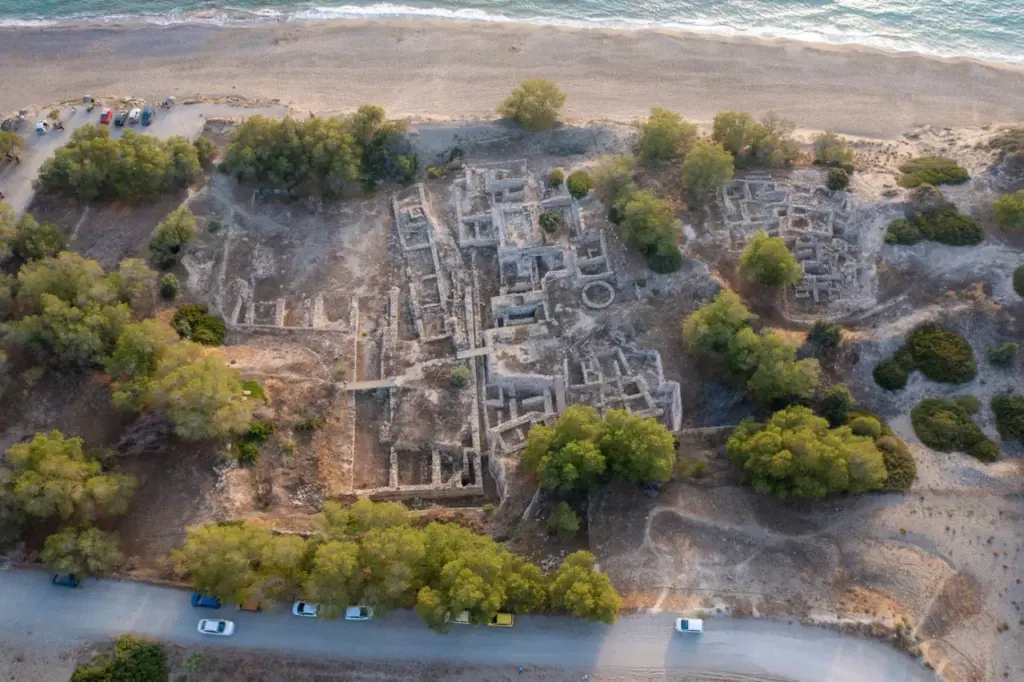
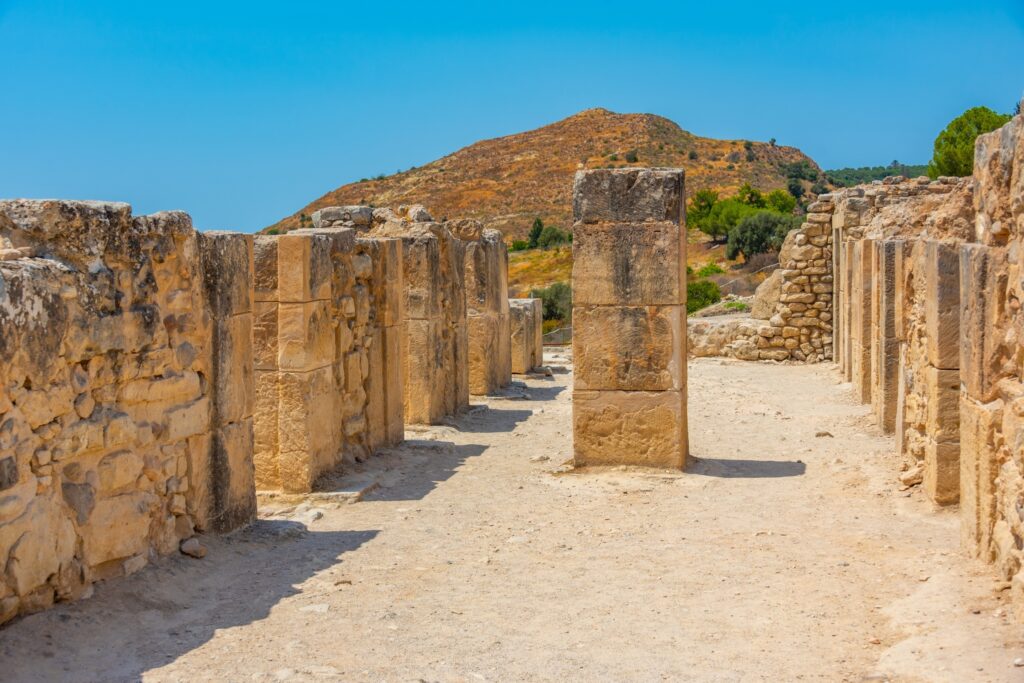
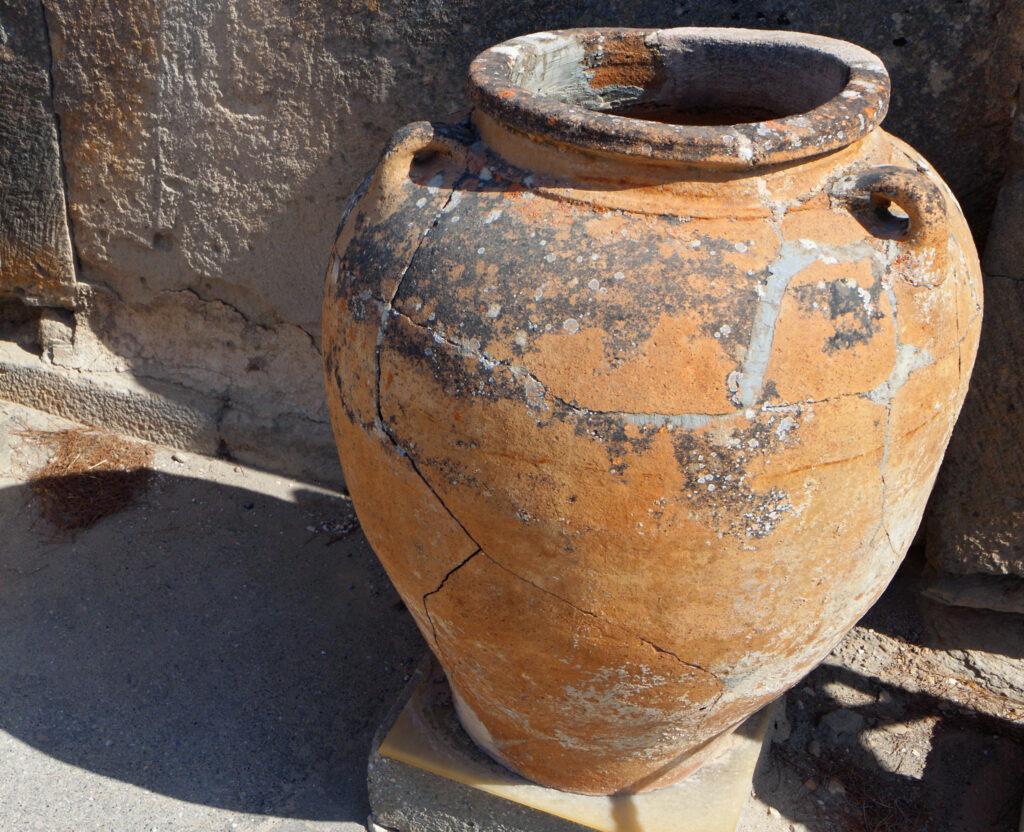
Excavations have revealed extensive remains of large storage buildings, warehouses, and sanctuaries dating back to the Neopalatial period (around 1600 BC). Massive pithoi (storage jars) found on site suggest the area played a central role in storing and exporting Cretan products such as olive oil and wine. Later, during the Greek and Roman eras, Kommos remained active, featuring temples dedicated to Poseidon and Amphitrite, linking the site to ancient maritime worship.
Today, although the archaeological site itself is not always open to the public, visitors can still admire its location from the nearby beach, a wild, unspoiled stretch of golden sand and dunes that combines history, nature, and tranquility. A small path near the southern end of the beach leads to fenced ruins, where you can glimpse the remains of ancient walls and storerooms overlooking the Libyan Sea.
🏛️ Gortyna – The Roman Capital of Crete
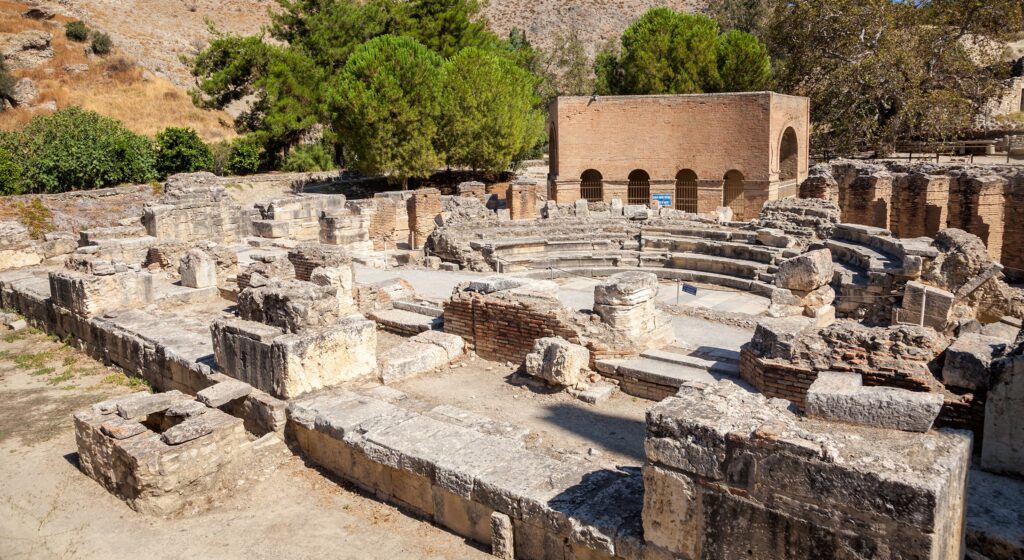
Once one of the most powerful cities of ancient Crete, Gortyna (or Gortys) flourished from Minoan times and became the capital of the Roman province of Crete and Cyrenaica.
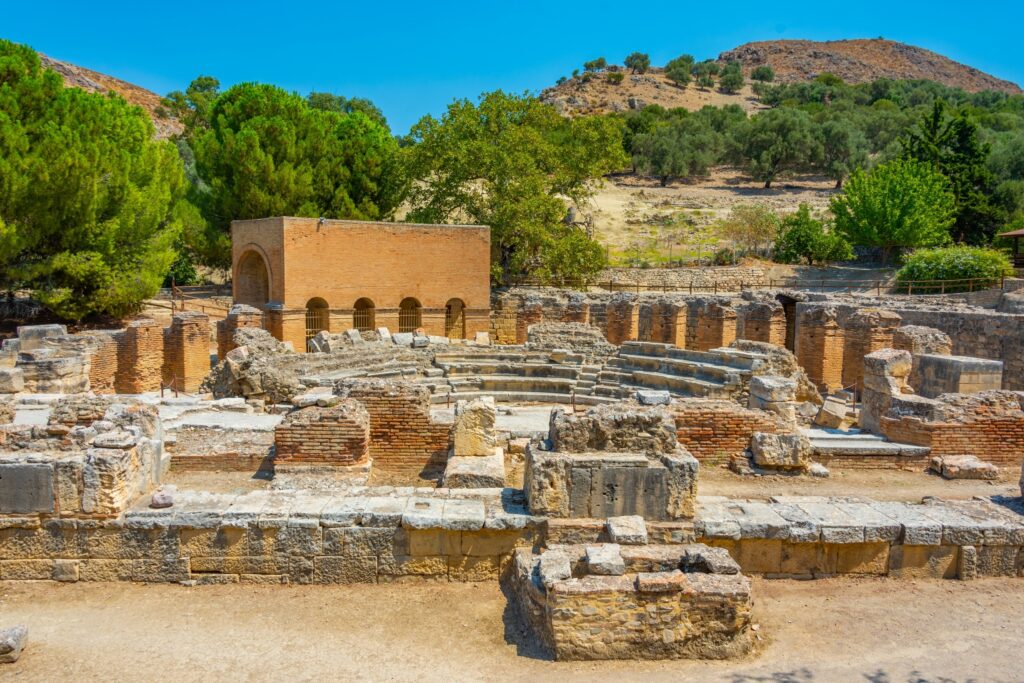
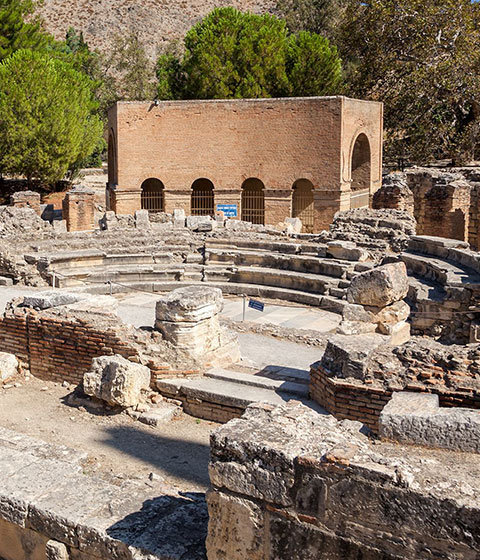
Today, the archaeological site covers a vast area filled with impressive remains: the Roman Odeon, the Basilica of St. Titus, ancient baths, temples, and the famous Law Code of Gortyna, the oldest and most complete legal inscription in Europe, dating back to the 5th century BC.
What makes Gortyna unique is not only its scale and history but also how the ruins blend with olive groves, birdsong, and sunlight, creating a serene, timeless atmosphere.
🏺 The New Archaeological Museum of Gortyna
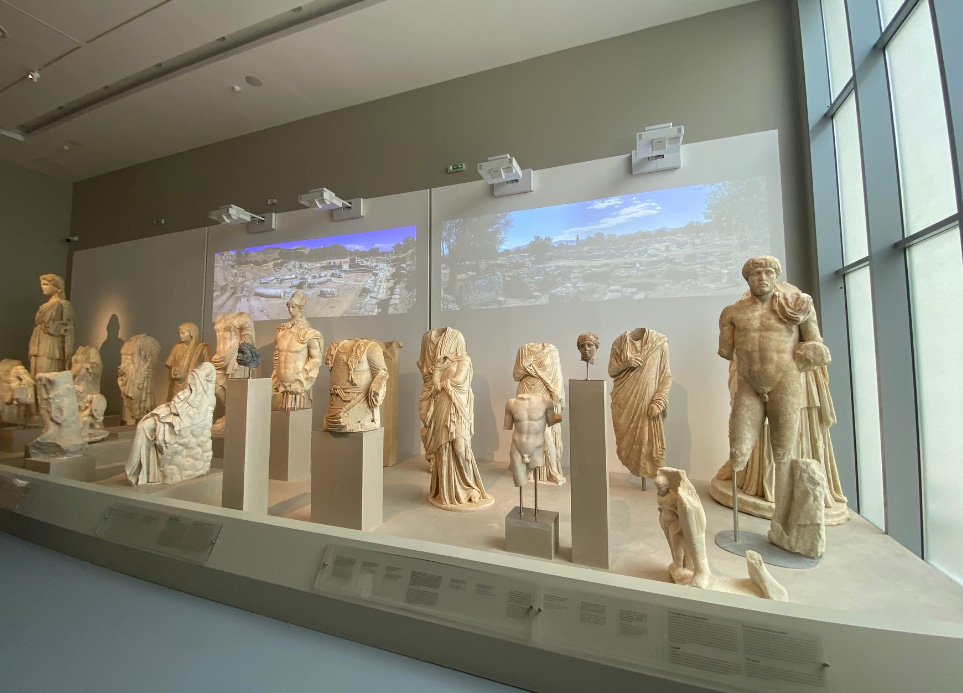
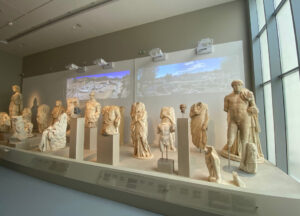 Just opposite the main archaeological site stands the new Archaeological Museum of Gortyna, inaugurated in 2023. Built with a modern yet harmonious architectural design, the museum houses finds from the ancient city and the wider Mesara region, including sculptures, inscriptions, mosaics, ceramics, coins, and everyday objects spanning from the Minoan to the Early Christian period.
Through carefully curated exhibits and multimedia installations, visitors can trace the evolution of Gortyna from a local Minoan settlement to a thriving Roman metropolis. It’s an ideal stop before or after exploring the ruins, offering context, comfort, and air-conditioned insight into 4,000 years of history.