From Ancient Tombs to the Spirit of Freedom
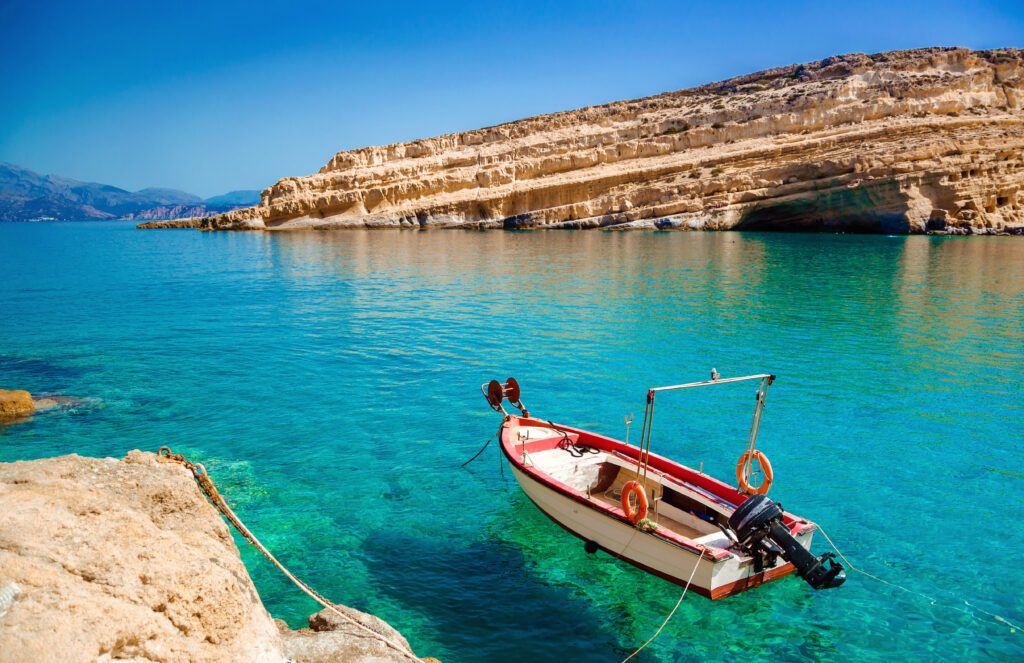
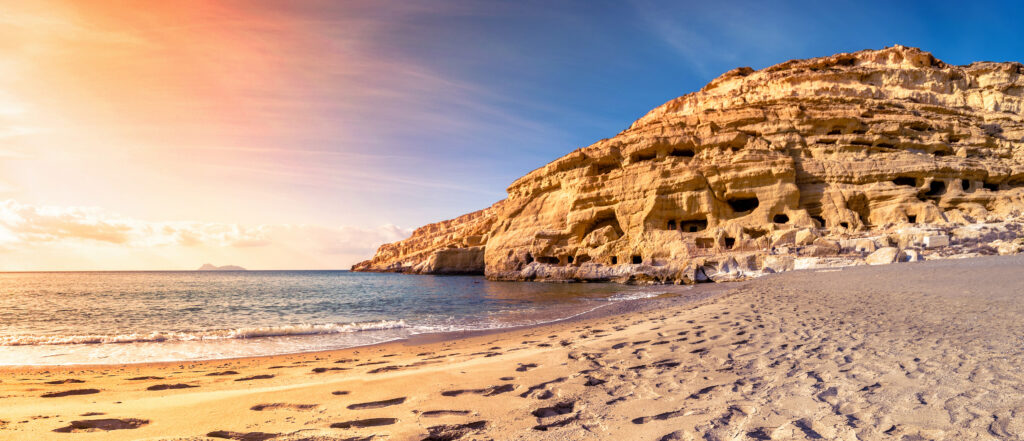
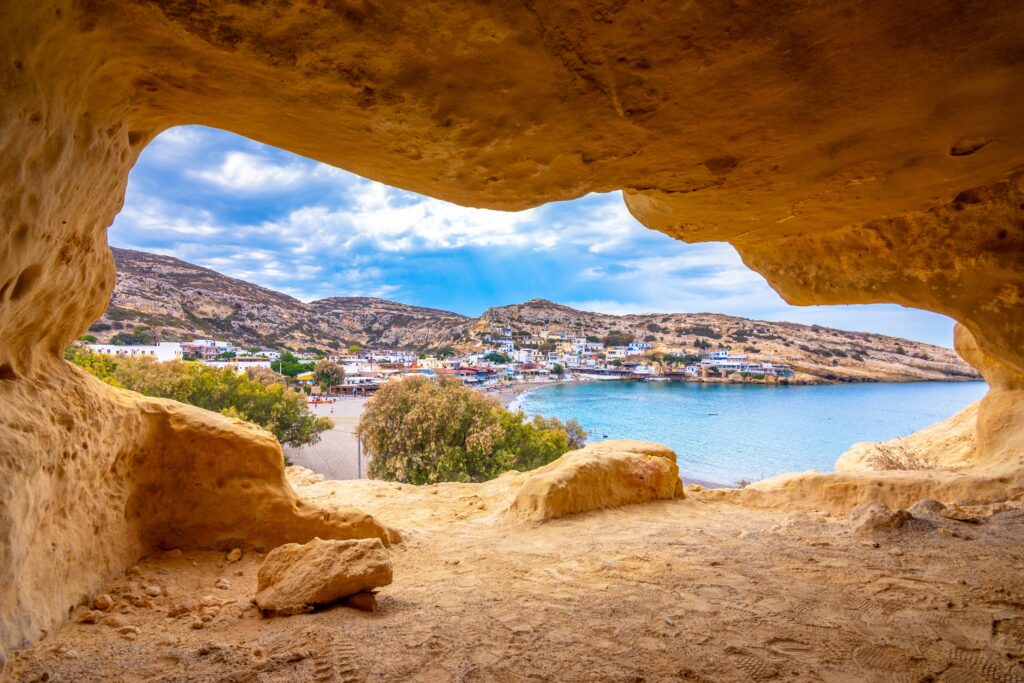
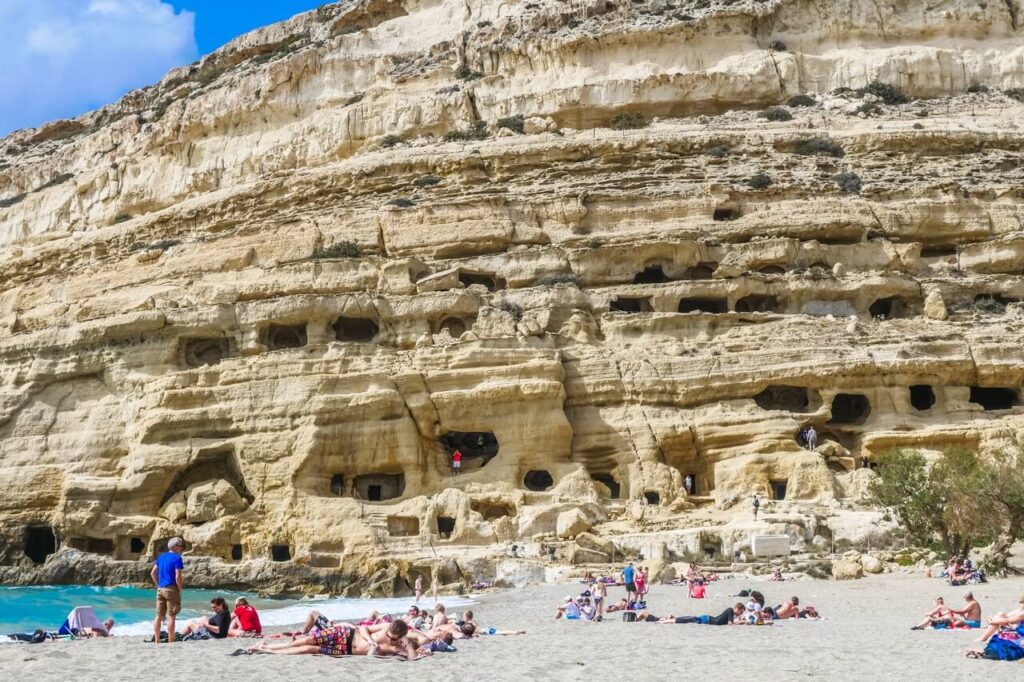
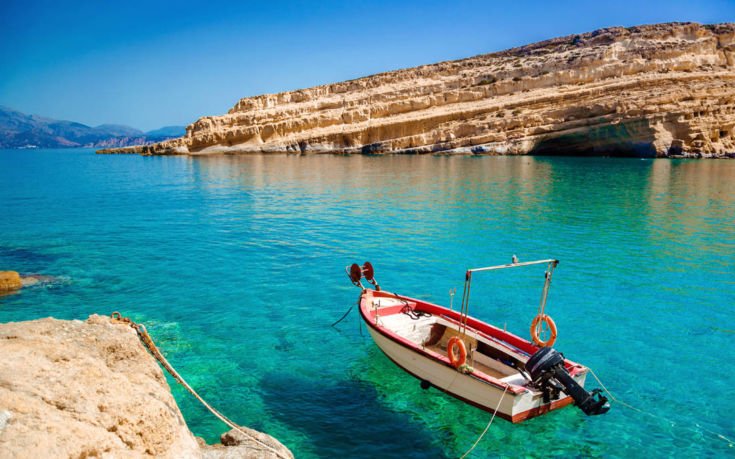 On the southern coast of Crete, where the island gazes upon the Libyan Sea, lies the small village of Matala, a place filled with light, history, and mystery. The origin of the village’s name remains uncertain. One popular theory suggests it comes from the word “matala” or “matales”, meaning “holes” or “caves”, referring to the characteristic cavities carved into the limestone cliffs at the western end of the beach. These natural caves, shaped also by human hands, are the most recognizable feature of Matala.
During the Hellenistic and Roman periods, these caves were used as tombs, and in some of them, inscriptions and carvings still bear witness to their ancient purpose. Later, in the early Christian centuries, they became shelters for hermits and monks seeking peace and solitude. Thus, the cliffs of Matala hold layers of history, from the life and death of antiquity to the spiritual search of the first Christians.
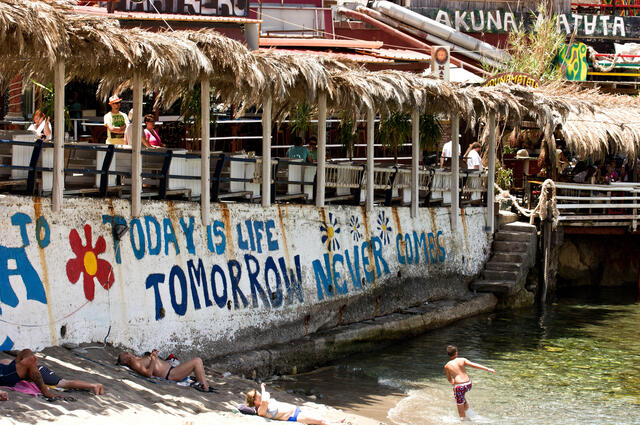
The Hippie Era – Living the “Today is life” Spirit
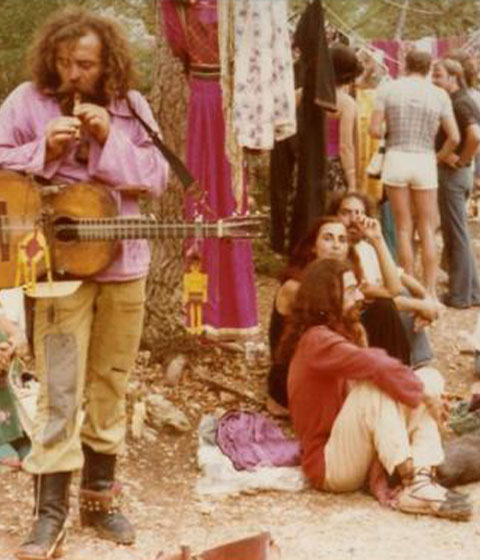
 Thousands of years later, in the early 1960s, those same caves became the refuge of a new generation. The hippies, travelers from Europe and America, arrived in Matala in search of freedom, peace, and an alternative way of life. Their days were simple yet full of meaning. In the mornings, they swam in the sea and cooked over small fires on the sand. In the afternoons, they played guitar, sang songs, and talked about life, nature, and love. At night, under the starry Libyan sky, the flicker of candles and campfires lit the faces of people from all over the world, people who, for a while, felt truly free.
A British traveler of the time recalled:
“It was as if we were living outside of time. You woke up with the sun, ate what the earth gave you, and felt you belonged somewhere without needing to prove anything.”
Among those who found inspiration in Matala was Joni Mitchell, who lived here in 1970 and wrote the song “Carey”, singing:
“Maybe I’ll go to Matala and join the friends I’ve found there…
It’s such a strange, wonderful, crazy place.”
Mitchell’s presence made Matala famous around the world, a symbol of authenticity, simplicity, and carefree joy. Locals still remember those days fondly:
“They seemed strange to us back then, but they were kind people.
They harmed no one, always smiled, and lived without worries.”
What made Matala truly special was not only its natural beauty, it was its spirit. The hippies brought with them a new philosophy: to live without fear, to respect nature, to love the person beside you, and to stop chasing tomorrow.
As they used to say: Today is life, tomorrow never comes.
Matala Today
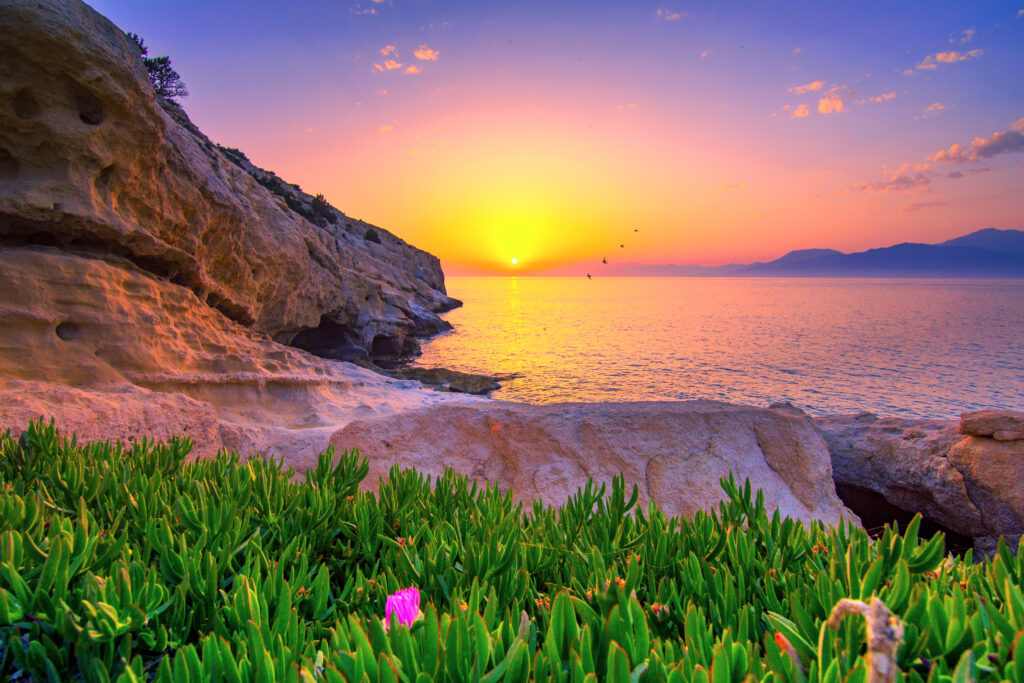
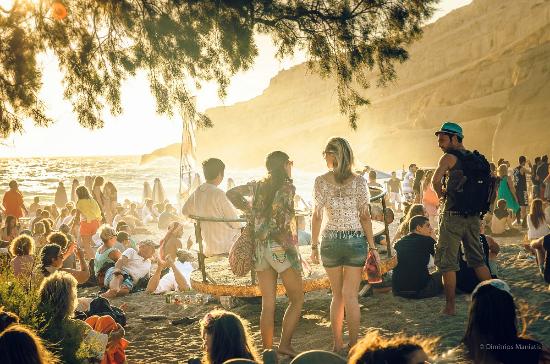 Today, Matala still holds that same magical sense of freedom that once made it legendary. The caves still stand, glowing under the same sunsets that enchanted the hippies, while the beach remains a place of relaxation, music, and laughter.
Every summer, the Matala Beach Festival brings those times back to life with sounds, art, and color, reminding everyone that the spirit of freedom never fades.
So when you arrive in Matala today, you don’t just see a village of Crete, you discover a living legend, where past and present meet beneath the same sun.